November 11, 2026
What Is a Bill of Lading (BOL)? Meaning, Types and How to Fill One Out
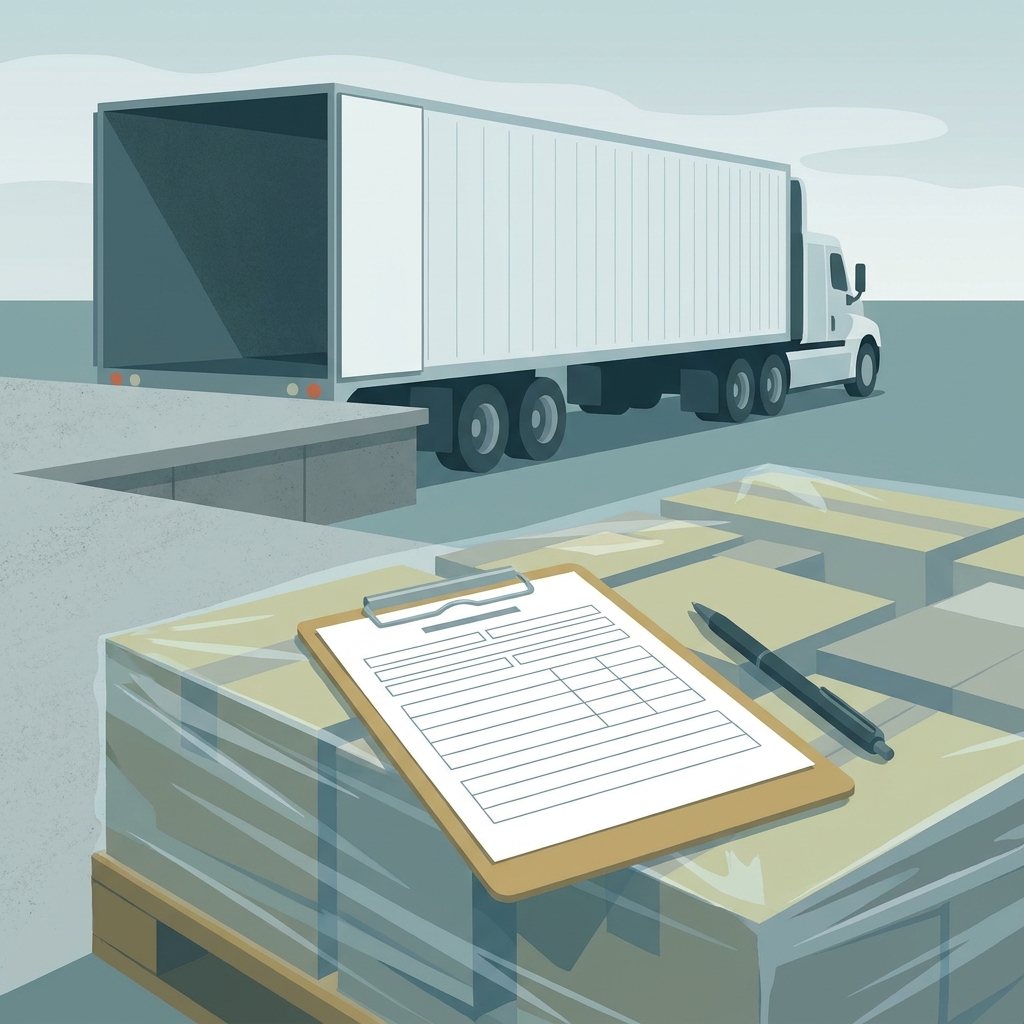
A bill of lading (BOL) is the document a carrier issues when it takes your freight. It is both the receipt for the goods and the contract for moving them. It names the shipper and the receiver, describes what is being shipped, and sets who pays the freight charges.
Quick answer: BOL stands for bill of lading. The shipper usually fills it out, the driver signs it at pickup, and the freight invoice is built from what it says. Most domestic truck shipments move on a straight bill of lading, which is not negotiable. An order bill of lading, made out “to the order of” a consignee, is negotiable. Errors on the BOL, such as a missing freight class or a wrong weight, are a common reason the invoice comes in higher than the quote.
Sources: 49 CFR 373.101; 49 U.S.C. 80103; Old Dominion Bill of Lading guide; Old Dominion Accessorial Services (tariff ODFL 100-Q, effective October 5, 2026); NMFTA Classification 101; 49 U.S.C. 14706. Checked November 11, 2026.
What a Bill of Lading Does
- Receipt. It records what the carrier picked up: how many handling units, what they contain and what they weigh.
- Contract. It ties the shipment to the carrier’s rules tariff and your rate agreement. Old Dominion’s guide says it remains your responsibility to understand the impact of your choices on the BOL.
- Billing instruction. The freight terms on it decide who gets the invoice.
What Must Be on a Bill of Lading
Federal rules at 49 CFR 373.101 require a motor carrier’s receipt or bill of lading to show the names of the shipper and the consignee, the origin and destination, the number of packages, a description of the freight, and the weight, volume or measurement where it affects the rate.
Carriers need more than that to bill correctly. These are the fields on Old Dominion’s LTL bill of lading:
| Field | What goes in it | Why it matters |
|---|---|---|
| Shipper and consignee | Company name, address, contact name and phone | Where the freight is picked up and delivered |
| Freight charges | Prepaid, collect or third party | Decides who receives the invoice. Old Dominion defaults to prepaid |
| Third-party payer | Company and address, if different from shipper and consignee | Needed when someone else pays |
| Handling units and pieces | Number and type: pallets, crates, cartons | What the driver counts at pickup and delivery |
| Item description | A complete description of each commodity | Supports the freight class |
| NMFC number or freight class | For each commodity | Sets the rate. A missing class defaults to class 100 at Old Dominion |
| Weight | Per commodity, including packaging | Billed weight. The carrier can reweigh |
| Hazardous materials | HAZ box, ID number, hazard class, packing group, emergency contact | Required when the freight is hazmat |
| Accessorial services | Liftgate, inside delivery, appointment, residential and others | Services the carrier will perform and bill |
| Declared value | When the rate depends on value | Not the same as buying extra cargo liability |
| Special instructions | Delivery and handling notes | What the driver and terminal see |
| Signatures | Person releasing the shipment, then the driver | Proof the carrier received it |
B/L, load and PO numbers are optional on Old Dominion’s form, and they print on the freight invoice, which helps you match bills to orders.
Straight vs. Order Bill of Lading
Federal law at 49 U.S.C. 80103 draws the line:
- Straight (nonnegotiable) bill of lading: the goods are to be delivered to a named consignee. A common carrier must mark it “nonnegotiable” or “not negotiable.” Endorsing it does not make it negotiable. This is the form used for most domestic LTL and truckload freight.
- Order (negotiable) bill of lading: the goods are to be delivered “to the order of” a consignee, and the bill has no clause saying it is not negotiable. Because it can be transferred, it is used when the goods are sold or financed while in transit.
Prepaid, Collect and Third Party
- Prepaid: the freight invoice goes to the shipper.
- Collect: the invoice goes to the consignee.
- Third party: the invoice goes to someone else, such as a parent company or a 3PL.
Naming a payer does not release everyone else. Old Dominion’s guide says it may pursue any entity that may be liable for unpaid freight charges, not only the one listed. Who should pay, and when ownership passes, comes from your sale terms: see FOB shipping terms and landed cost vs FOB.
Bill of Lading vs. Freight Bill vs. Delivery Receipt
| Document | Who creates it | What it is for |
|---|---|---|
| Bill of lading | The shipper, signed by the driver at pickup | Receipt and contract for the shipment |
| Freight bill (invoice) | The carrier, after pickup | The charges, built from the BOL and any corrections |
| Delivery receipt | The carrier, signed by the consignee | Proof of delivery, and the place to note shortage or damage |
BOL Mistakes That Cost Money
- No freight class. Old Dominion defaults the shipment to class 100. See our freight class chart to find the right one.
- Wrong weight or description. The carrier may inspect and reweigh, and you are liable for charges based on the correct figures.
- Mixed pallet, not itemized. Under NMFC rule 640 the whole pallet is rated at the least favorable class on it.
- Accessorials left off. If the delivery needs a liftgate or an appointment and the BOL does not say so, expect a failed attempt and a redelivery charge. See freight accessorial charges.
- Fixing it later. Old Dominion charges $45 for a corrected bill of lading.
- Assuming declared value is insurance. Old Dominion’s guide says stating a declared value is not a request for additional cargo liability. That is a separate request.
Paul's take: Liftgate service. You always have to remember that one. Don't try to sneak a residential address in there, because they're going to know. And make sure your weight is correct. They make the reweigh fee punitive, and they will do it to you, so tell them the accurate weight.
Paul D'Arrigo, D'Arrigo Consulting
The BOL and Freight Claims
If freight arrives short or damaged, the bill of lading shows what the carrier accepted and the delivery receipt shows what arrived. Count the pieces and write any exception on the delivery receipt before signing. Under the Carmack Amendment, 49 U.S.C. 14706, a carrier cannot give you less than 9 months to file a claim. The claims process is covered in our LTL shipping guide. This is general information, not legal advice.
Frequently Asked Questions
What is a bill of lading?
A bill of lading is the document a carrier issues when it takes freight. It is the receipt for the goods and the contract for transporting them, and it names the shipper, the consignee, the freight and who pays.
What does BOL stand for?
BOL stands for bill of lading. It is also written B/L.
Who fills out the bill of lading?
The shipper usually prepares it, and the person releasing the freight signs it. The driver completes the carrier section and signs at pickup.
What information is required on a bill of lading?
Under 49 CFR 373.101: the shipper and consignee, origin and destination, number of packages, a description of the freight, and the weight, volume or measurement where it affects the rate. Carriers also need the freight class or NMFC number, freight terms and any accessorials.
What is the difference between a straight and an order bill of lading?
A straight bill names a consignee and is nonnegotiable. An order bill is made out to the order of a consignee and is negotiable, under 49 U.S.C. 80103.
Is a bill of lading the same as an invoice?
No. The bill of lading is created at pickup and describes the shipment. The freight bill is the carrier’s invoice, issued afterward and based on the bill of lading.
What happens if the bill of lading is wrong?
The carrier can reweigh and reclass the freight and bill the corrected charges. At Old Dominion a missing class defaults to class 100, and correcting a bill of lading costs $45.
Related Reading
- What Is LTL Shipping? How LTL Freight Works, Freight Class and Rates (2026)
- Freight Class Chart: How to Calculate Your LTL Freight Class (2026)
- Freight Accessorial Charges 2026: Liftgate, Limited Access and Inside Delivery Fees
- FOB Shipping Explained: Origin vs Destination & What It Means for Your Costs
- Landed Cost vs FOB Price: What’s Included and How to Calculate It
- How to Ship Hazmat: Is Your Product Hazardous, and What It Limits (2026)
- Parcel Audit & Freight Audit Services: What They Check, Recover and Cost (2026)
- What Is Dunnage? Types, Uses and the Rule for Wood Dunnage
Get a free freight and parcel invoice audit
D’Arrigo Consulting audits carrier invoices line by line for billed class, billed weight and accessorials that do not match what was quoted. Request a free invoice audit to see what you can recover.
This article is for informational purposes only. Carrier rates, surcharges and policies change frequently. Always verify current terms directly with the carrier for your specific situation. Have questions? Reach out to us.

Meet the Author
paul@darrigoconsulting.com
I’m Paul D’Arrigo. I’ve spent my career building, fixing, and scaling operations across eCommerce, fulfillment, logistics, and SaaS businesses, from early-stage companies to multi-million-dollar operators. I’ve been on both sides of growth: as a founder, an operator, and a fractional COO brought in when things get complex and execution starts to break