October 29, 2026
USPS APV Postage Adjustments: Why They Happen and How to Dispute
2026 USPS rule: an Automated Package Verification (APV) adjustment is a charge for the difference between the postage you paid and what USPS equipment measured, and you have 60 days from the notification to dispute it.
Quick answer: APV checks Click-N-Ship and PC Postage labels as packages run through USPS processing equipment. If the weight, dimensions, zone or mail class on the label does not match the package, USPS calculates the difference and your shipping platform debits (or credits) your account. Disputes must be filed within 60 days of the notification, and USPS says most are answered in 2 to 5 business days.
APV debits arrive after the package has shipped and come through your postage platform rather than on a USPS bill, so they are easy to miss. A shipping invoice audit shows how often they hit and which SKUs cause them.
Sources: USPS Automated Package Verification page, PostalPro APV System overview, and Notice 123 Price List effective October 4, 2026. Fee amounts are commercial prices.
What APV Is
APV is the system USPS built to recover postage discrepancies automatically instead of through the manual "postage due" process. Per PostalPro, after the system detects a discrepancy and calculates the adjustment, it sends a file to the postage vendor. The vendor pays or collects the adjustment and gives the customer a way to dispute it.
USPS says APV runs on Click-N-Ship and the PC Postage platforms of Endicia, Stamps.com, Pitney Bowes, eBay, PayPal and EasyPost. The same page notes that APV works both ways: it can credit an overpayment as well as debit an underpayment. Packages that APV does not catch can still go through the manual process, where a short-paid piece is returned to the sender or delivered with postage due from the recipient.
What Triggers an Underpayment Adjustment
USPS lists the most common causes as incorrect weight, incorrect dimensions, and a service on the label that does not match the packaging. Zone is also checked: USPS tells shippers to make sure the sender address in the PC Postage software is current, because prices are set by zone.
Weight rounding
USPS rounds weight up. A package that weighs 3 lb 4 oz is charged at the 4 lb price. Lightweight USPS Ground Advantage packages are priced in 4 oz, 8 oz, 12 oz and 15.999 oz steps, so a 5 oz package pays the 8 oz price. A label printed at 3 lb for a package that scans at 3 lb 1 oz is short one full pound.
Dimensional weight
Priority Mail Express, Priority Mail, USPS Ground Advantage and Parcel Select packages larger than one cubic foot (1,728 cubic inches) are charged on the greater of actual or dimensional weight. Under DMM 223.1.4 (Priority Mail), you round each side up to the next whole inch, multiply length by width by height, and divide by 139. For nonrectangular parcels, the cubic result is first multiplied by a 0.785 adjustment factor, then the same 1,728 cubic inch test and 139 divisor apply (per the USPS final rule effective July 12, 2026). If the label was bought on actual weight for a box that crosses 1,728 cubic inches, APV can bill the dimensional weight difference.
Fees that ride along with dimensions
Leaving dimensions off, or entering wrong ones, can add a fee on top of the postage difference. Current amounts from Notice 123 (effective October 4, 2026) for commercial Priority Mail:
| Charge | When it applies | Amount |
|---|---|---|
| Dimension Noncompliance Fee | Dimensions omitted or inaccurate, or DIM price not paid when it applies | $3.00 |
| Nonstandard length | Longer than 22 in, up to 30 in | $4.50 |
| Nonstandard length | Longer than 30 in | $21.00 |
| Nonstandard volume | More than 2 cubic feet (3,456 cu in) | $35.00 |
| Nonstandard characteristics | Tubes or rolls, cans, wood or metal boxes, certain liquids, contents that may roll | $4.50 |
| Package Quality Noncompliance Fee | Label barcodes do not meet USPS IMpb/IMmb requirements | $0.25 per piece |
Per DMM 223.1.10, a package that triggers both a length fee and a characteristics fee pays only the higher one, but the volume fee can apply on top of either. Ground Advantage and Parcel Select have their own nonstandard amounts in Notice 123. Flat Rate packaging and USPS Returns packages are exempt from nonstandard fees.
Label does not match packaging
A Flat Rate box needs a Flat Rate label, and anything in USPS-provided Priority Mail packaging needs a Priority Mail label. USPS gives the example that Parcel Select labels cannot be used on Priority Mail or Priority Mail Express packaging.
How APV Adjustments Are Billed
USPS does not invoice you directly. According to the USPS APV page, you are notified through your Click-N-Ship or PC Postage vendor, and payment adjustments run through that platform. In practice that means the charge shows up in the vendor's account history or billing statement rather than on a USPS bill. Questions about the notice itself go to apvsupport@usps.gov; questions about your account balance or billing go to the PC Postage provider.
If you ship through a 3PL or a multi-carrier platform, ask who holds the postage account. The adjustment is charged to the account that bought the label, which may be the 3PL's account and then passed through to you.
How to Dispute an APV Adjustment
- Deadline: 60 days from the date of the notification, per transaction.
- Where: USPS runs an online APV dispute portal at apvdisputes.usps.com (PostalPro posted an APV Dispute Process industry alert on October 23, 2024). Per PostalPro, PC Postage vendors also give customers a way to dispute adjustments.
- Response time: USPS says most responses come in 2 to 5 business days and at most 15 business days. The status is available from your PC Postage provider.
- Refunds: If the dispute is upheld, the refund is paid by your PC Postage provider on behalf of USPS.
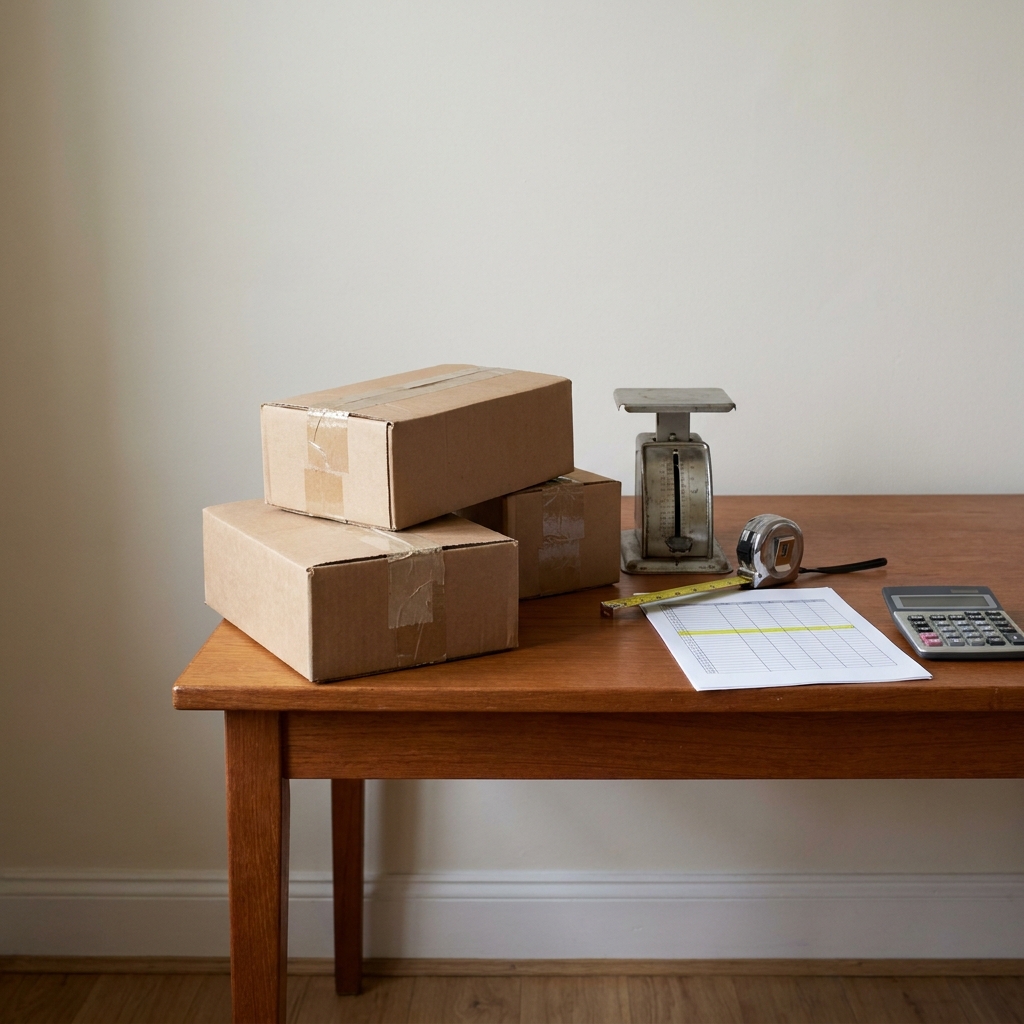
Disputes are strongest when you can show the package as tendered: a scale reading, measured dimensions, a photo of the box with a tape measure, and the order record showing the packaging used. If your system records cartonization or scale weight at pack-out, export it with the tracking number.
How to Prevent APV Adjustments
- Weigh every package, or weigh the packed carton. Product master weights without packaging are the most common source of short weight.
- Send real dimensions with every label. This avoids the $3.00 Dimension Noncompliance Fee and gets the DIM price right the first time.
- Watch the 1,728 cubic inch line. A box that is one inch bigger on one side can move from actual weight to dimensional weight.
- Keep the ship-from address current in every platform and warehouse profile so the zone is right.
- Match the label to the packaging, especially Flat Rate boxes and Priority Mail branded boxes.
- Review adjustments weekly. With a 60-day dispute window, waiting for a monthly close can leave little time to gather evidence.
Frequently Asked Questions
What is a USPS APV adjustment?
It is a postage correction from the USPS Automated Package Verification system. When equipment finds that a package's weight, dimensions, zone or mail class does not match the label, USPS calculates the difference and your PC Postage or Click-N-Ship account is debited or credited.
How long do I have to dispute a USPS APV charge?
60 days from the date of the notification for each transaction.
How do I dispute a USPS postage adjustment?
Use the USPS online APV dispute portal at apvdisputes.usps.com, or the dispute option in your PC Postage platform. USPS says most disputes are answered in 2 to 5 business days and all within 15 business days.
Why did USPS charge me more postage after shipping?
The most common reasons USPS gives are incorrect weight, incorrect dimensions, and a label that does not match the packaging. Weight is rounded up, and packages over 1,728 cubic inches can be charged dimensional weight using a 139 divisor.
What is the USPS Dimension Noncompliance Fee?
A $3.00 fee (Notice 123, effective October 4, 2026) when dimensions are left off or inaccurate, or the dimensional weight price was not paid when it applied.
Who pays a USPS APV adjustment?
The account that bought the label. Adjustments are collected through the Click-N-Ship or PC Postage platform, so a 3PL may be billed first and pass the charge through.
Related Reading
- Why Dimensional Weight Is a Data Problem First
- How Carriers Detect Inaccurate Declared Data
- How Messy CSV Exports Trigger Real Shipping Costs
- When It's Worth Disputing UPS Charges and When It's Not
- UPS vs USPS vs FedEx 2026: When to Use Each Carrier
Get a free shipping invoice audit
D’arrigo Consulting reviews carrier and postage platform charges line by line to find adjustments that were billed in error or could have been prevented. Request a free invoice audit.
This article is for informational purposes only. Carrier rates, surcharges, and policies change frequently — always verify current terms directly with the carrier for your specific situation. Have questions? Reach out to us — we're happy to help.

Meet the Author
paul@darrigoconsulting.com
I’m Paul D’Arrigo. I’ve spent my career building, fixing, and scaling operations across eCommerce, fulfillment, logistics, and SaaS businesses, from early-stage companies to multi-million-dollar operators. I’ve been on both sides of growth: as a founder, an operator, and a fractional COO brought in when things get complex and execution starts to break