January 22, 2026

The Hidden Cost of Treating Parcel Like Freight
The Hidden Cost of Treating Parcel Like Freight

The Hidden Cost of Treating Parcel Like Freight

Many e-commerce operations ship both parcel and LTL (Less Than Truckload) freight. And many treat them the same way: maximize density in each shipment, minimize shipments, send when full.

This works for freight. It destroys economics for parcel.

Why parcel and freight are different

Freight pricing model: You're charged per hundredweight (cwt) and per mile. Density matters. A truckload of dense items (steel) is cheaper per unit than a truckload of light items (pillows). You want to maximize weight per shipment.

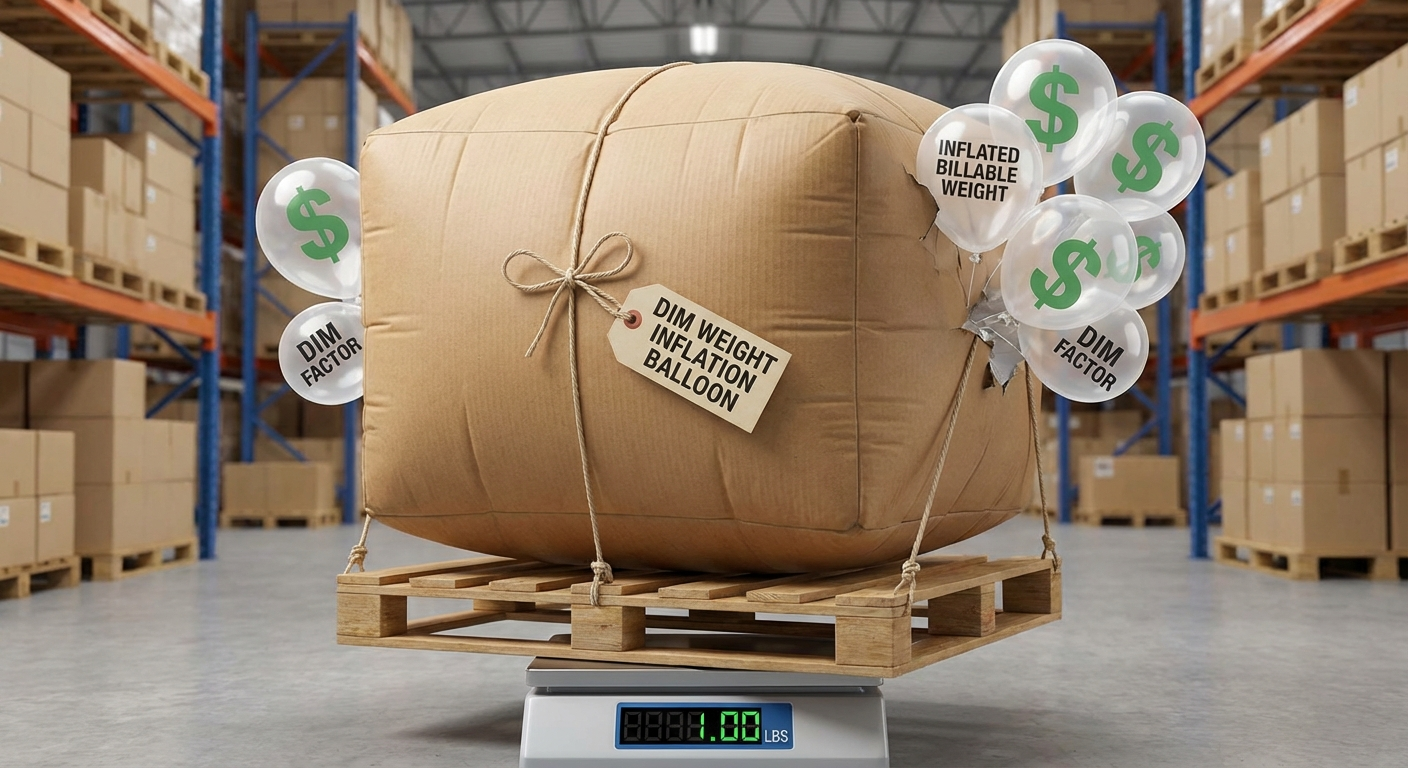
Parcel pricing model: You're charged per parcel + per pound + dimensional weight (whichever is greater). Speed matters. Parcel carriers don't care if you wait for full trucks; they charge the same for next-day as for 7-day (mostly). You want to ship fast and let consolidation happen at their distribution center, not yours.

Parcel capacity: Parcel carriers are optimized for density at their hubs, not yours. If you're consolidating 100 small packages into one shipment at your warehouse, you're doing work that UPS or FedEx can do cheaper at their hub. You're paying for that labor twice: once at your warehouse (consolidation), once at their hub (deconsolidation).

The math

Scenario A: Treat parcel like freight (the costly way)

  • Consolidate 20 orders into one shipment (LTL-style thinking)
  • Total weight: 40 lbs
  • Dimensional weight: 45 lbs (20 boxes, ~12 cubic feet)
  • Cost: Parcel rate for 45 lbs + consolidation labor (30 minutes) + warehouse space
  • Total: ~$25

Scenario B: Let parcel carriers consolidate (the efficient way)

  • Ship 20 orders individually
  • Each order: 2 lbs, dim weight 2-3 lbs
  • Cost per order: ~$1.20 (volume discount with carrier)
  • Total: 20 * $0.95 (with volume discount) = $19
  • No consolidation labor, no warehouse space used

Scenario B is $6 cheaper and requires zero consolidation work.

But the math gets worse when you add velocity:

Scenario A (slow consolidation): You wait for full shipments. Average wait time: 6 hours. Orders ship 6 hours later than they could. For 1% of customers who buy next-day, this misses their SLA and generates returns.

Scenario B (fast shipping): Orders ship immediately. Same-day shipping possible. Customer happy. No returns.

When consolidation makes sense

Consolidation is worth it when:

  • Density is high: You're consolidating 100 lbs into one box (not 100 orders into one box). This is less-than-truckload consolidation, which is different.
  • Destination is the same: Multiple orders going to the same address or same zone. The carrier would have consolidated them anyway; you're just saving them that step.
  • Speed isn't critical: You have time (willingness to hold orders) and customers don't care about speed. This is rare in modern e-commerce.

What this means

For parcel-only operations: Ship everything fast, ship individually (or only when same destination). Let the carrier consolidate at their hub. Your job is fulfillment speed, not consolidation.

For LTL operations: Consolidate aggressively. Full truckload is your goal. Use a pool point if necessary (a regional consolidation center that holds freight until full).

For mixed operations: Separate your parcel and freight workflows. Don't let freight-consolidation thinking bleed into parcel. Ship parcel fast (individual), ship freight slow (consolidated).

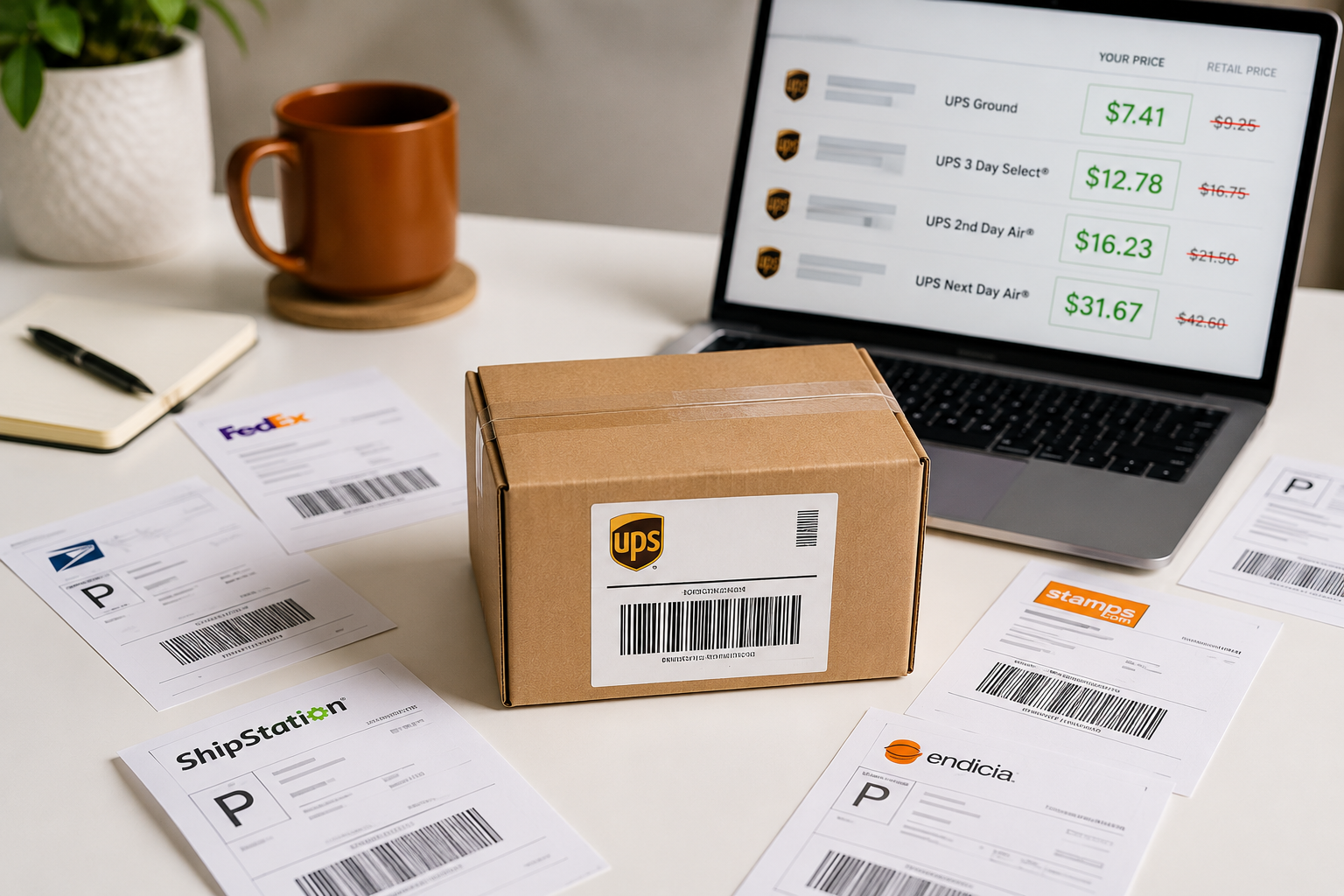
For carrier negotiations: Volume discounts on parcel are huge (10-30% off retail). If you're consolidating instead of leveraging volume discounts, you're leaving money on the table. Ask your carrier: "What if we shipped individual, but committed to volume?"

Why it matters now

Parcel carriers have sophisticated consolidation logic. They're better at it than you are. Your job isn't to consolidate; it's to ship fast and leverage your volume commitment. The operations that understand this difference will run cheaper fulfillment.

Meet the Author

paul@darrigoconsulting.com
I’m Paul D’Arrigo. I’ve spent my career building, fixing, and scaling operations across eCommerce, fulfillment, logistics, and SaaS businesses, from early-stage companies to multi-million-dollar operators. I’ve been on both sides of growth: as a founder, an operator, and a fractional COO brought in when things get complex and execution starts to break

Thank you! Your submission has been received!
Oops! Something went wrong while submitting the form.