.png)
.png)


January 30, 2026
Why Customers Blame You for Carrier Math
Why Customers Blame You for Carrier Math
Customers don’t blame the carriers. They blame you. But the complex pricing and policies behind every shipment are far from transparent — even to merchants. Understanding why this disconnect exists is the first step toward managing expectations and protecting your brand.
Introduction: The Growing Disconnect Between Customers and Shipping Realities
Today’s customers expect shipping costs and delivery times to be simple and predictable. They want clarity: a straightforward price at checkout and a delivery date they can rely on. Yet behind the scenes, carriers employ complex pricing models involving dimensional weight, zone-based pricing, surcharges, and real-time rate calculations. These factors make the shipping process anything but straightforward.
Merchants often find themselves caught in the middle of this maze. They depend on carrier systems to price shipping and deliver packages, but carriers’ proprietary math and policies are opaque and fluid. Despite having limited control over these elements, merchants assume full responsibility when customers experience delays, incur unexpected fees, or receive confusing information. This article explains the mechanics behind carrier pricing, explores why customers hold merchants accountable, and offers practical strategies for merchants to regain control of the post-purchase experience — protecting brand reputation in a complex environment.

The Mechanics of Carrier Pricing: Dimensional Weight and Carrier-Calculated Rates
To understand why customers blame you, it helps first to understand how carrier pricing works — and why it feels anything but straightforward. Shipping isn’t simply about weight multiplied by distance. Instead, carriers like FedEx, UPS, and USPS use dimensional weight pricing, zone-based rates, surcharges, and dynamic service-level fees.
Dimensional weight pricing means carriers compare the actual weight of a package against its dimensional weight — calculated by multiplying length, width, and height of the package, then dividing by a dimensional factor set by the carrier (often 139 for domestic FedEx and UPS shipments). The carrier charges for whichever weight is greater. This explains why a large but lightweight package can cost more to ship than a smaller, heavier one.
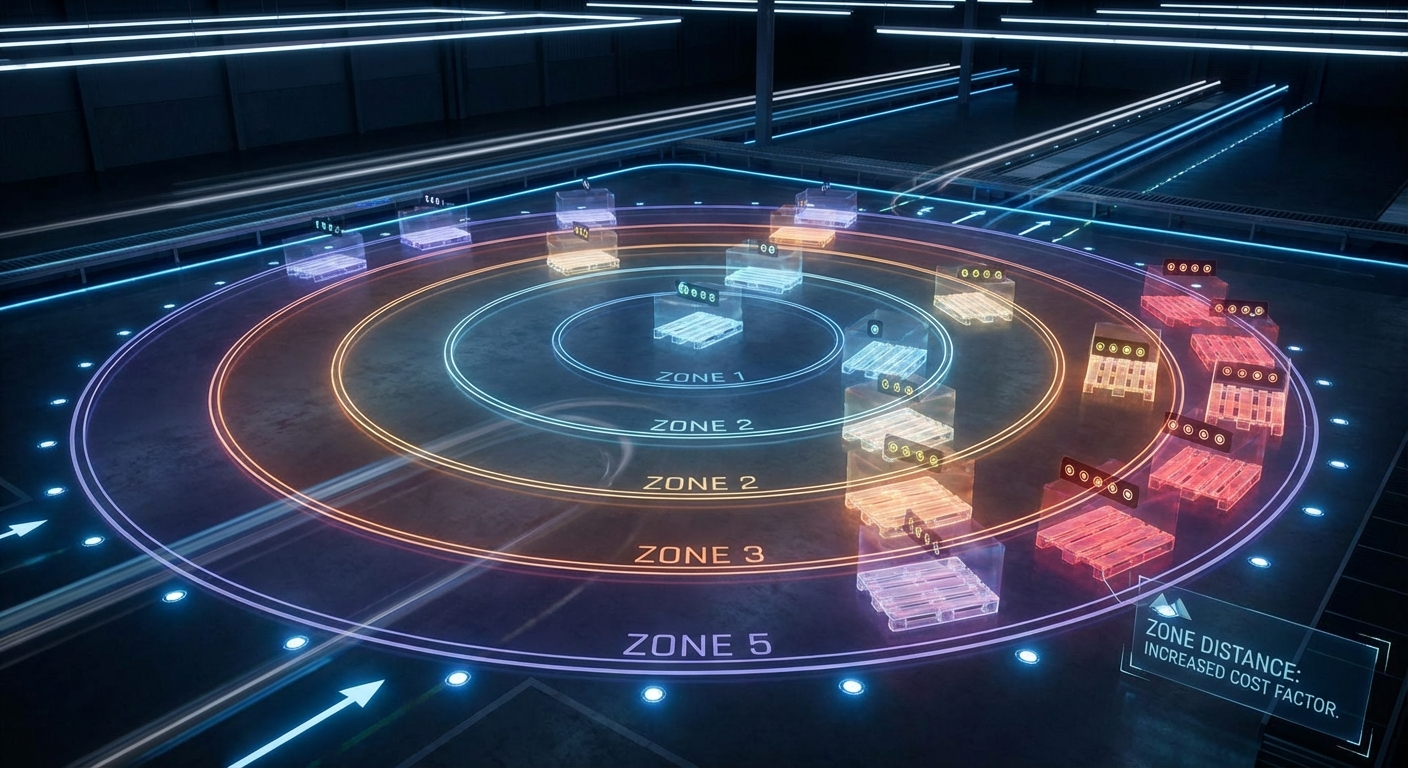
In addition to dimensional weight, rates are influenced by zones, which are based on the distance between origin and destination postal codes. Shipments traveling longer distances cross more zones and cost more to ship. Carriers also add surcharges, such as for residential delivery, fuel, peak season demand, and delivery in remote or extended areas. Finally, different service levels — ground, expedited, overnight — command different rates and delivery expectations.
At checkout, merchants’ ecommerce platforms or shipping systems send package details — dimensions, weight, origin, destination — to carrier APIs that calculate real-time, dynamic rates and transit times. Customers generally see only the final price and estimated delivery date. They rarely grasp the complexity beneath how these figures are determined.
Two critical operational realities arise from this system:
- Small changes have outsized impacts. Adding an inch to a box’s length or thickness can push the dimensional weight into the next pricing bracket, triggering an unexpected rate increase.
- Accuracy matters. Erroneous package dimensions or weights lead to incorrect shipping quotes, higher costs, or delayed deliveries. Customers don’t see the math from the carrier — they only see the price and the promise from the merchant.
For example, suppose you ship a 3-pound product in a 14 x 10 x 6 inch box. If that box size increases to 16 inches in length, dimensional weight pricing jumps, causing a corresponding spike in shipping charges — even though the product itself hasn’t changed.
Why Customers Hold Merchants Accountable
Despite the carrier’s central role in shipping products, customers typically don’t interact directly with carriers until after a shipment is on its way, and even then only under exceptional circumstances. Merchants control the checkout interface, the delivery promise stated at purchase, customer communications, and customer service.
When deliveries are late, fees unexpected, or tracking confusing, customers look to the merchant — not the carrier — for answers and redress. Several factors explain why this happens:
- Consumer expectations favor simplicity and transparency. Customers want one clear price and delivery date at checkout. They don’t expect or want to navigate the complex calculations behind the scenes.
- Brand experience centers on the merchant. The merchant is the visible face and trusted entity in the sales transaction. Carrier operations and policies occur invisibly in the background.
- Studies confirm merchant blame. Research shows the majority of consumers blame merchants — not carriers — for fulfillment errors or failures. An article from Customer Experience Dive reports that delivery issues strongly affect brand perception and repeat purchase intent, with merchants bearing the brunt of customer frustration.
- Post-purchase experience shapes loyalty. Poor or inconsistent communication, shifting delivery estimates, or surprises over charges make the merchant appear unreliable, regardless of whose fault the carrier’s underlying systems or network may be.
In sum, psychology and operational realities put merchants front and center in the accountability spotlight. Even when carriers cause problems, customers see the merchant as responsible for delivering on promises.
Operational Constraints Behind Carrier Math

Merchants do not control carrier pricing rules or networks, but they operate within a constrained system with several practical and technical limitations:
- Order processing time impacts delivery estimates. Delivery windows combine processing (picking, packing, staging), carrier pickup schedules, and transit times. Missing cutoff deadlines at fulfillment centers can easily push delivery dates out by an entire day or more.
- Packaging decisions trade off protection, cost, and dimensional weight. Packaging must protect products adequately without being oversized — since packaging dimensions directly drive dimensional weight pricing. Optimizing carton size requires engineering and process discipline.
- Data integration challenges abound. Accurate, consistent SKU weights and dimensions must flow through e-commerce, warehouse management systems (WMS), rating and labeling software, and carrier APIs. Discrepancies anywhere cause incorrect shipping costs or delayed fulfillment.
- Multi-line or bundle orders complicate packaging. Combining multiple items into one shipment can increase dimensional weight unintentionally, raising shipping charges and confusing estimates.
- Carrier fee structures shift dynamically. Fuel surcharges, peak season adjustments, service area changes, and new surcharges emerge periodically. Merchants’ systems need to adapt quickly without under- or over-charging customers.
All these factors contribute to a complex operational puzzle merchants must solve day to day — often with legacy systems and limited control over carrier algorithms. Small adjustments or errors cascade into significant financial and customer-experience impacts.
How to Own the Post-Purchase Experience to Manage Expectations
Although you can’t simplify carrier math, you can own the customer relationship and demystify the experience:
At checkout:
- Use carrier-calculated shipping rates based on clean, accurate product and packaging data, connected via APIs in real-time. This reduces surprises at purchase.
- Quote delivery times as a clear sum of processing plus transit days. Publish cutoffs and processing SLAs transparently so customers know when to expect shipments.
- Present multiple shipping options that clearly show the tradeoffs between speed and cost, enabling customers to choose based on their priorities.
- Maintain an optimized packaging "library" and right-size cartons. Regularly review and refine carton selections to avoid oversize packages that escalate dimensional weight charges.
After purchase:
- Use branded tracking pages that display simple language with reliable estimated delivery dates (EDDs). This transparency reduces “Where Is My Order?” (WISMO) contacts and increases customer satisfaction.
- Send proactive, timely updates via email or SMS for milestone scans and exceptions. Communicating delays before customers notice reduces frustration.
- Define and implement a clear issue resolution process, including reshipments, refunds, or discounts. Train teams and automate thresholds to avoid inconsistent or slow responses.
- Offer shipping insurance options and facilitate claims quickly to protect customers and your brand against lost or damaged shipments.
Establish a baseline communication cadence:
- Order confirmation: Set expectations with a delivery window that includes processing and transit.
- Shipment notification: Provide tracking links and estimated arrival dates.
- In-transit updates: Notify customers after key scans or events on the route.
- Exception notices: Clearly explain delays, revised EDDs, and next steps.
- Delivery confirmation: Confirm arrival and offer easy support for post-delivery concerns.
Clear, proactive communication builds trust and moves customer focus from blaming "you" to understanding operational realities.
The Role of Technology and Systems in Scaling Shipping Accuracy

At scale, shipping complexity demands automated, integrated technology systems:
- Maintain verified product master data with weights and dimensions at all packaging levels (each, inner pack, case pack).
- Integrate packaging management within your Warehouse Management System or shipping platform, dropping reliance on manual packaging knowledge.
- Use carrier APIs for up-to-date rates and tracking data, and monitor changes in carrier logic and surcharge rules.
- Implement cartonization software that automates package sizing and selects packing materials to minimize dimensional weight without compromising protection.
- Automate carrier and service level selection to optimize costs and delivery promises.
- Use address validation services to reduce returned packages or misdeliveries, which can cause surcharges and delays.
- Audit carrier invoices systematically to catch billing errors and unexpected surcharges before they impact profitability.
Large companies can invest in packaging engineering teams and logistics analytics tools that model the true cost-to-serve by SKU, zone, and carrier. This supports strategic decisions to adjust sales pricing, marketing promotions, or fulfillment networks.
Though carrier complexity cannot be removed altogether, investing in accurate data, automation, and integration compresses variance and surprises — improving margins and customer experience over time.
What Would Have to Change Systemically for Merchant Burden to Ease?

Some pain points merchants face stem from structural industry factors unlikely to change overnight:
- Carrier transparency and pricing simplification. Carriers maintain complex, inconsistent fee schedules and surcharge applications across services and regions. Standardized and clearer rules would reduce confusion, but carriers have limited incentives to simplify.
- Upstream network visibility. Providing merchants real-time data on carrier network congestion, hub capacity, and environmental factors could improve delivery estimates and customer promises.
- Shared data standards. Industry-wide agreement on dimension definitions, packaging guidelines, and synchronous data flows across carriers and merchants would boost rate accuracy and automation.
- Educating customers on tradeoffs. Consumers must better understand that speed, cost, and reliability involve compromises. However, education is effective only when merchants deliver consistent, transparent experiences.
While progress occurs in visibility and collaboration technologies, the fundamental incentives remain entrenched. Expecting wholesale simplification is unrealistic; instead, focus on incremental improvements and operational excellence.
Conclusion: Navigating the Incentives and Realities of Carrier Math
Shipping cost and delivery time calculations are inherently complex and opaque by design. Dimensional weight pricing, zone-based rates, surcharges, and fluctuating carrier networks ensure that rates and transit estimates are moving targets. Customers blame merchants because merchants own the customer-facing purchase and delivery promise.
That reality will not change. Instead, merchants’ best leverage lies in managing expectations: applying real-time, accurate rates; maintaining clean product and packaging data; right-sizing cartons; quoting delivery timelines clearly inclusive of processing; owning branded tracking; proactively communicating shipment status; and implementing clear, efficient support for exceptions.
Technology and increasingly sophisticated systems will incrementally improve margin visibility, ETA reliability, and customer communications. Carriers may move toward greater transparency and consistency over time. Meanwhile, merchants who build operations designed to make complexity predictable and transparent will maintain customer trust even when the math behind the label remains anything but simple.
References:
- Dimensional weight explained by FedEx
- Carrier-calculated rates in Shopify
- Consumers blame merchants for delivery issues (Customer Experience Dive)
- Reducing WISMO calls (project44)
- Shipping insurance and claims (InsureShield whitepaper)
Disclaimer: This article is provided for informational purposes only and reflects the perspectives of the author based on industry practices as of the time of writing. It is not intended as legal, financial, or professional advice. Readers should consult appropriate experts for advice specific to their circumstances.

Meet the Author
paul@darrigoconsulting.com
I’m Paul D’Arrigo. I’ve spent my career building, fixing, and scaling operations across eCommerce, fulfillment, logistics, and SaaS businesses, from early-stage companies to multi-million-dollar operators. I’ve been on both sides of growth: as a founder, an operator, and a fractional COO brought in when things get complex and execution starts to break