.png)
.png)


January 22, 2026
How One Compliance Mistake Can Flag An Entire Shipment

UPS account health is a systems problem. One mislabeled package, a prohibited item, or a missed service requirement can trigger account-wide flags that disrupt cash flow, service levels, and growth. This article explains how UPS's compliance framework actually works—and what operators can do to prevent escalations.
Introduction: Why Compliance Matters When You Scale
In logistics and eCommerce, your UPS account is more than just a shipping tool — it's the backbone of your operational flow. But it only takes one compliance slip to bring that entire system to a halt.
I've seen firsthand how a single misstep—whether a mislabeled package or an overlooked hazardous material declaration—can trigger a flag on an entire UPS account. These flags don't just delay shipments; they ripple through cash flow, customer satisfaction, and scaling efforts. UPS's compliance framework isn't about catching operators out; it's about managing real risk and protecting a vast, interconnected network. For businesses building systems that scale, the lesson is clear: compliance isn't a checkbox — it's an integral pillar woven into every operational layer.
This article breaks down how one compliance mistake can escalate account-wide and what systems leaders need to put in place to prevent it.
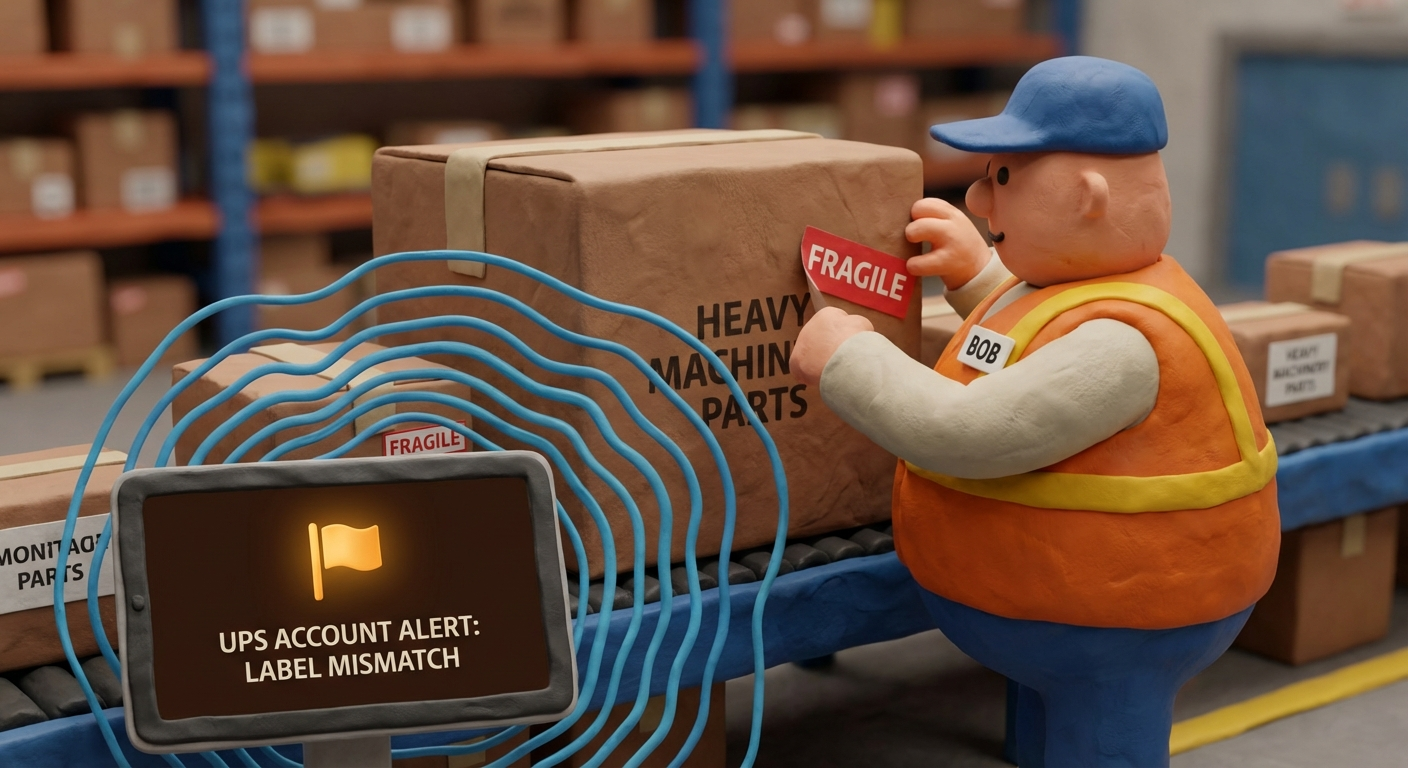
Understanding UPS's Compliance Framework
UPS operates a global network at scale. To protect it, they define regulated goods categories, service rules, and shipper responsibilities—and reserve broad discretion to act when there's a violation.
Key elements to understand:
- Terms of Carriage and Tariff Rules. UPS's Terms of Carriage set conditions for what can be shipped, how, and under what liabilities. UPS can refuse, suspend, or terminate service for violations or safety concerns. Their carrier agreement is a binding contract that governs service levels, liability limits, and shippers' obligations.
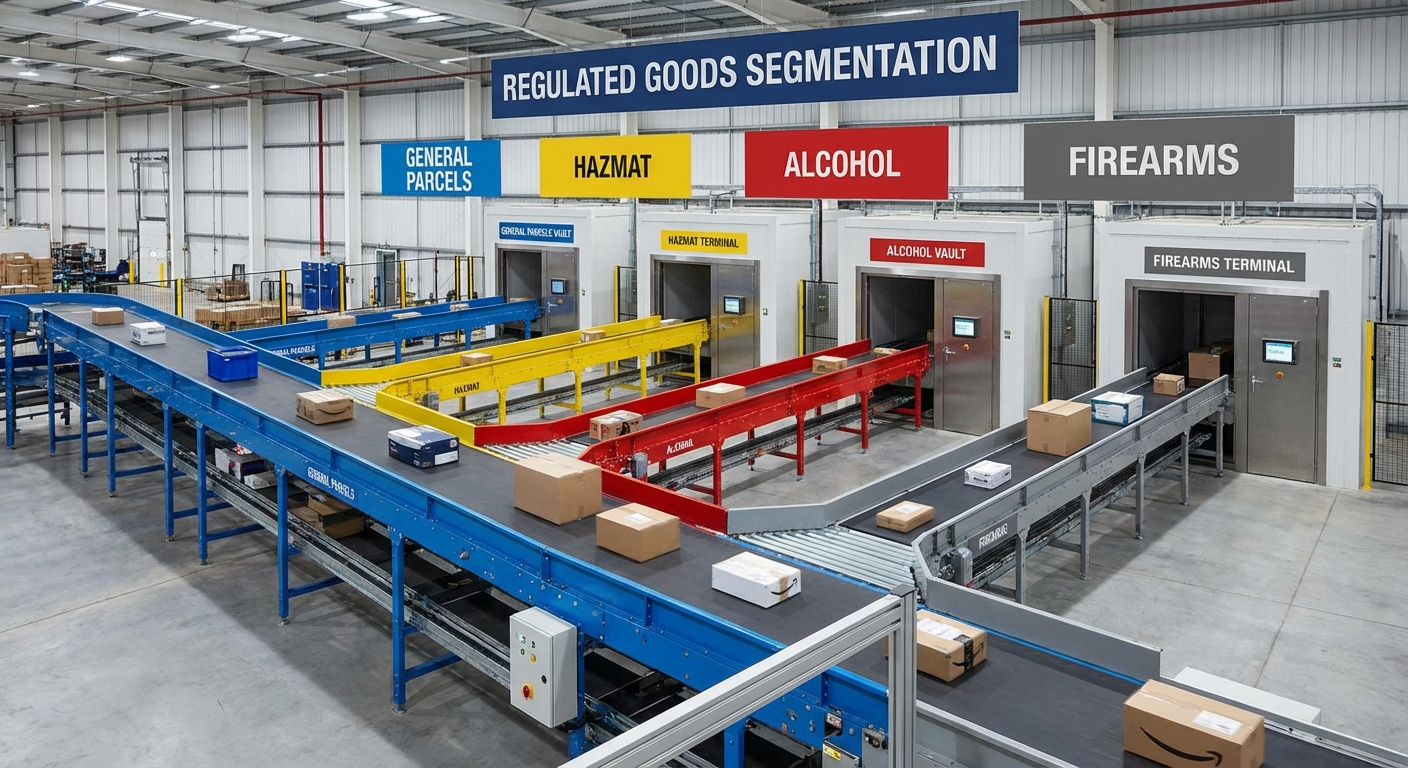
- Regulated and Prohibited Items. UPS classifies categories such as hazardous materials, alcohol, firearms, and other regulated goods with strict requirements or outright prohibitions. Shipping these goods incorrectly, or without UPS authorization, is a significant compliance breach.
- Hazardous Materials (Hazmat). Hazmat shipments require shipper authorization, correct packaging, proper documentation, markings, and UPS-compliant labeling. Hazmat is one of the highest-risk categories, and mistakes here trigger immediate risk controls.
- Firearms and Related Items. UPS requires specific contractual agreements for shipping firearms and mandates services like Adult Signature Required and Direct Delivery Only. Noncompliance or unauthorized shipments lead to swift account-level scrutiny and potential suspension.
- Broad Discretion. UPS's policies exist to safeguard network safety and comply with legal requirements. If your operation creates risk—for customers, drivers, or the network—UPS can and will apply restrictions across your account as necessary.
The key takeaway: this system is about risk management and liability, not punishment. But it reacts firmly to protect the network.
The Anatomy of a Mistake That Flags an Account
Most compliance flags don't start with malice. They stem from common and avoidable operational errors that slip through an ineffective or incomplete control system.
Common patterns that trigger flags include:
- Mislabeling or miscoding shipment content. Selecting the wrong service level on UPS labels, failing to mandate Adult Signature Required when shipping firearms, or omitting Direct Delivery Only instructions when required.
- Shipping a prohibited item. Some goods cannot be shipped via UPS under any circumstances unless a contractual agreement and operational controls are in place.
- Inaccurate hazardous material declarations. Declaring non-hazardous status on lithium batteries, aerosols, or flammable chemicals that require hazmat handling.
- Violating drop-off or pickup rules. Attempting to drop regulated or high-risk shipments at UPS Access Points or Drop Boxes when scheduled pickup or delivery to authorized facilities is required.
- Missing contractual requirements. Shipping alcohol, firearms, or hazmat without the proper UPS agreements.
- Software and integration gaps. Shipping platforms or label printing software that don't enforce mandatory service options based on SKU attributes.
- Third-party misuse of your UPS account number. Vendors, marketplace sellers, or affiliates shipping on your account make you responsible for their mistakes.
Once a noncompliant shipment enters the UPS network, the issue scales rapidly:
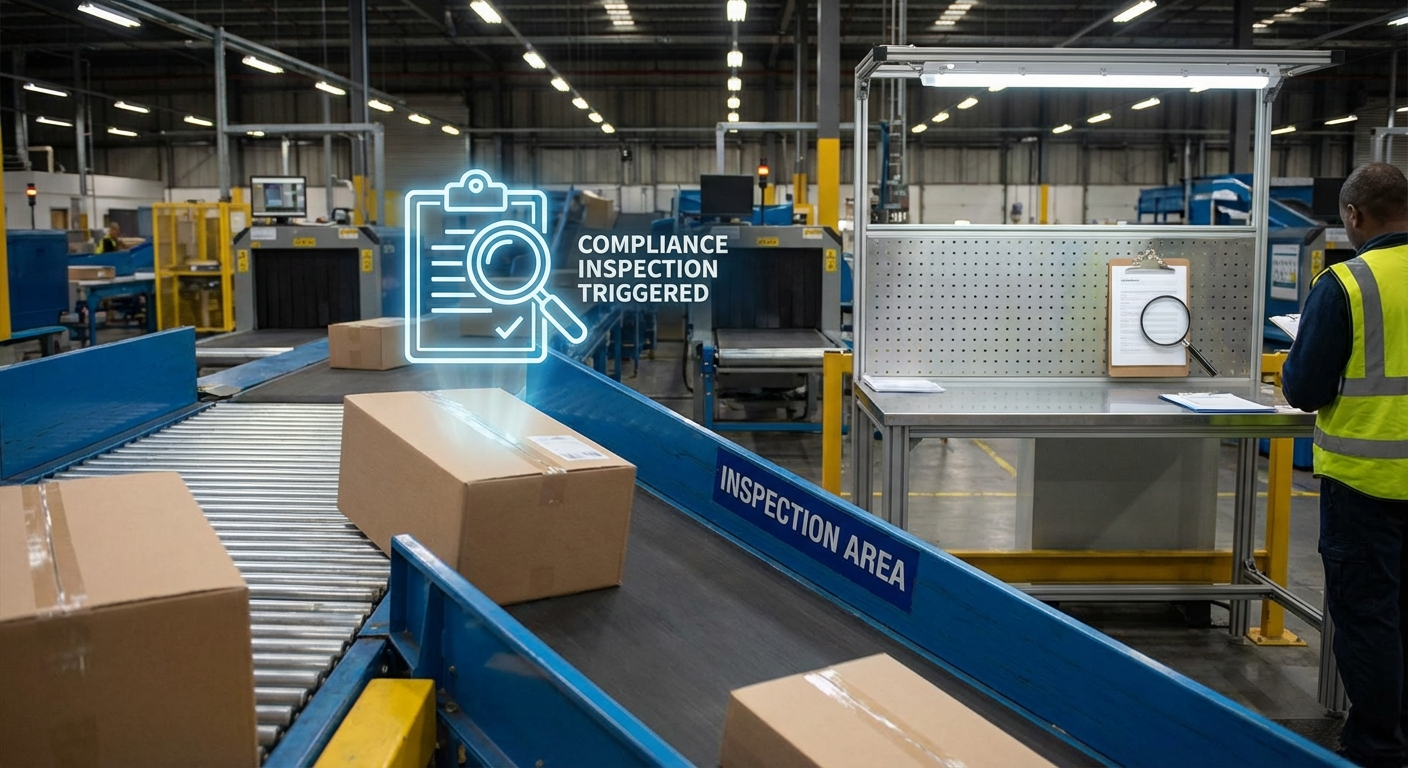
- UPS exceptions or inspections are triggered during scanning or routing.
- The account is tied to a specific risk event.
- UPS compliance teams launch investigations covering recent shipments.
- Temporary or permanent service restrictions are imposed until remediation occurs.
The Operational Impact of an Account Flag or Suspension
An account flag raises immediate operational friction and cost burdens.
Effects include:
- Shipment interruptions. Packages subject to inspection may be held, returned to sender, or refused outright.
- Delays and rework. Sales orders stall. Customer service teams spend increased time fielding inquiries. Warehouse operators repeat labeling and repacking efforts.
- Financial impact. Return shipping charges, hazardous materials fees, chargebacks, refunds, and write-offs accumulate quickly.
- Higher scrutiny and audit overhead. UPS compliance and security teams conduct manual reviews, require documentation submissions, and audit operational procedures.
- Remediation overhead. You'll need to retrain staff, update software controls, negotiate with UPS, and in some cases isolate regulated shipments to dedicated accounts.
This is more than a minor inconvenience. It directly constrains capacity and throttles your ability to scale shipping operations.
In my experience leading parcel optimization and supply chain projects, those fastest to invest in system-level compliance controls avoided costly delays, protected cash flow, and maintained service continuity.
Systems and Controls That Prevent Compliance Breakdowns
The reliable way to avoid UPS account-wide flags is to bake compliance requirements into shipment preparation workflows and enforce them proactively at label creation and handoff.
Key controls include:
- Segregate regulated goods shipments. Use dedicated UPS accounts for hazmat, alcohol, firearms, and other regulated categories to isolate risk.
- Obtain and maintain appropriate UPS contractual agreements before shipping high-risk categories.
- Enforce mandatory services via software. Require Adult Signature Required, Direct Delivery Only, and other mandated service options automatically based on SKU and shipment attributes.
- Validate compliance at label creation. Use UPS-compliant software with API-enforced data validation.
- Maintain SKU-level governance and compliance metadata. Build a controlled SKU catalog that flags regulated status.
- Prohibit third-party use of your UPS account. Do not allow vendors, marketplace sellers, or affiliates to ship under your account number.
- Train and retrain your teams regularly. Incorporate compliance training in onboarding and conduct quarterly refreshers.
- Audit routinely. Perform weekly reviews of UPS event codes for delivery exceptions, invoice surcharges, and signature failures.
- Lock down handoff points. Enforce work instructions, system prompts, and software controls that prevent unauthorized drop-offs.
- Monitor product and packaging changes proactively. Treat new products, packaging revisions, or supplier changes as compliance events.
Operational best practices that reinforce compliance include progressive data disclosure in warehouse and transport management software and establishing risk-based gates for approvals.
Finally, validate rule or system changes in small pilot runs (canary releases) prior to full rollout.
Balancing Compliance with Operational Efficiency
Consider:
- Locate control points where they yield maximum value with minimal friction—typically during data entry and label creation.
- Automate the clear-cut rules. If a SKU includes lithium batteries, the system should auto-apply proper packaging, documentation, and service requirements.
- Reserve human oversight for edge cases and new product introductions.
- Measure relevant leading indicators such as adult signature compliance rates, hazmat declaration accuracy, frequency of drop-off violations, and rate of returned shipments.
- Invest proactively in compliance infrastructure before scale creates exposure.
Put simply, compliance is a throughput enabler. Rapidly shipping the wrong products does not speed business—it merely builds bigger, costlier problems downstream.
Conclusion: Incentives and Realities in UPS Account Management
Compliance is fundamentally a system design challenge, not a simple operational checklist.
UPS policies reflect the reality of liability and risk management at massive scale. When a package creates safety or legal risk, UPS has both incentive and legal authority to intervene—and often does so by restricting or suspending the entire account involved.
Emerging technology—including more robust UPS APIs, enhanced service codes, and stronger data validation—improves compliance capabilities. However, technology alone cannot replace disciplined governance, clear accountability, and comprehensive operator training.
Businesses outgrowing manual or ad hoc processes must embed compliance as a foundational pillar alongside segmentation of risk, software-enforced rules, team training, and continuous audit.
Implement these controls early while your shipping volume and complexity remain manageable. The cost of delay shows up as service interruptions, fees, and damaged customer relationships precisely when your growth opportunities peak.
UPS account integrity isn't accidental. It's earned through purposeful, systems-led operational discipline.
Appendix: Additional Resources
- UPS Terms of Carriage (United States)
- UPS Regulated Goods Overview
- UPS Prohibited Items
- UPS Hazardous Materials Guide
- UPS Firearms Guidance
Related Reading
- Why UPS Fees Are an Operational Maturity Test
- How Carriers Use Fees to Enforce Shipper Behavior
- What Does UPS Address Correction Fee Mean?
- What Does UPS Additional Handling (Dimensions) Mean?
- UPS 2026 Rate Increase: Complete Guide to Every Service and Surcharge Change
- Parcel Audit Services: How They Work & What They Recover in 2026
This article is for informational purposes only. Carrier rates, surcharges, and policies change frequently — always verify current terms directly with the carrier for your specific situation. Have questions? Reach out to us — we're happy to help.

Meet the Author
paul@darrigoconsulting.com
I’m Paul D’Arrigo. I’ve spent my career building, fixing, and scaling operations across eCommerce, fulfillment, logistics, and SaaS businesses, from early-stage companies to multi-million-dollar operators. I’ve been on both sides of growth: as a founder, an operator, and a fractional COO brought in when things get complex and execution starts to break

